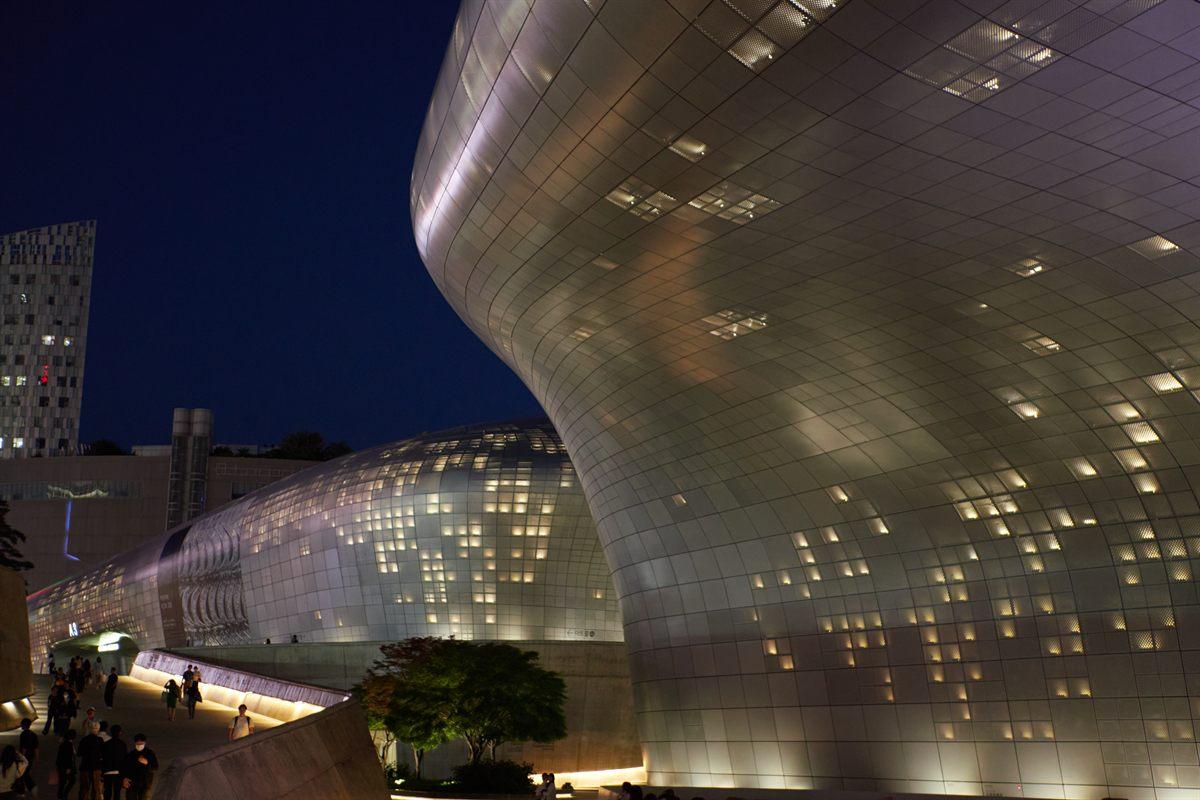
Dongdaemun
Dongdaemun gathers clothing wholesalers and markets, and the building of Dongdaemun History and Culture Park is the landmark. A meal usually comes after a move between sales floors. The pause differs from the cosmetics street in Myeongdong and from a daytime plan in Gangnam. This page does not treat the market as open to one fixed closing time.
Food culture in this area
Dongdaemun stitches market corridors—fabric bags, wholesale stairs—with bunsik cups and chicken pots you earn only after walking floors. Snacks bridge buildings; samgyetang and jjigae need seats.
Come when you are carrying purchase bags and need gimbap between halls, then a single chicken pot or market sundae before the next wholesale run.
You can taste festival-listed sundae pricing logic beside Dongdaemun-gu kimchi fried rice examples, then climb to a Jongno-market-adjacent dakhanmari heritage story—three layers of Seoul market eating in one district name.
Tteokbokki and gimbap are national; Dongdaemun’s twist is timing meals around textile shopping and late-night wholesale energy, not cosmetic retail rhythm.
Choose what to eat here
| Dish & meal type | Solo / sharing | Typical order unit | Heat or key ingredient |
|---|---|---|---|
| Tteokbokki · inter-hall cup Walking snack | Cup between floors | 이거 주세요 at stall | Red sauce; plan heat |
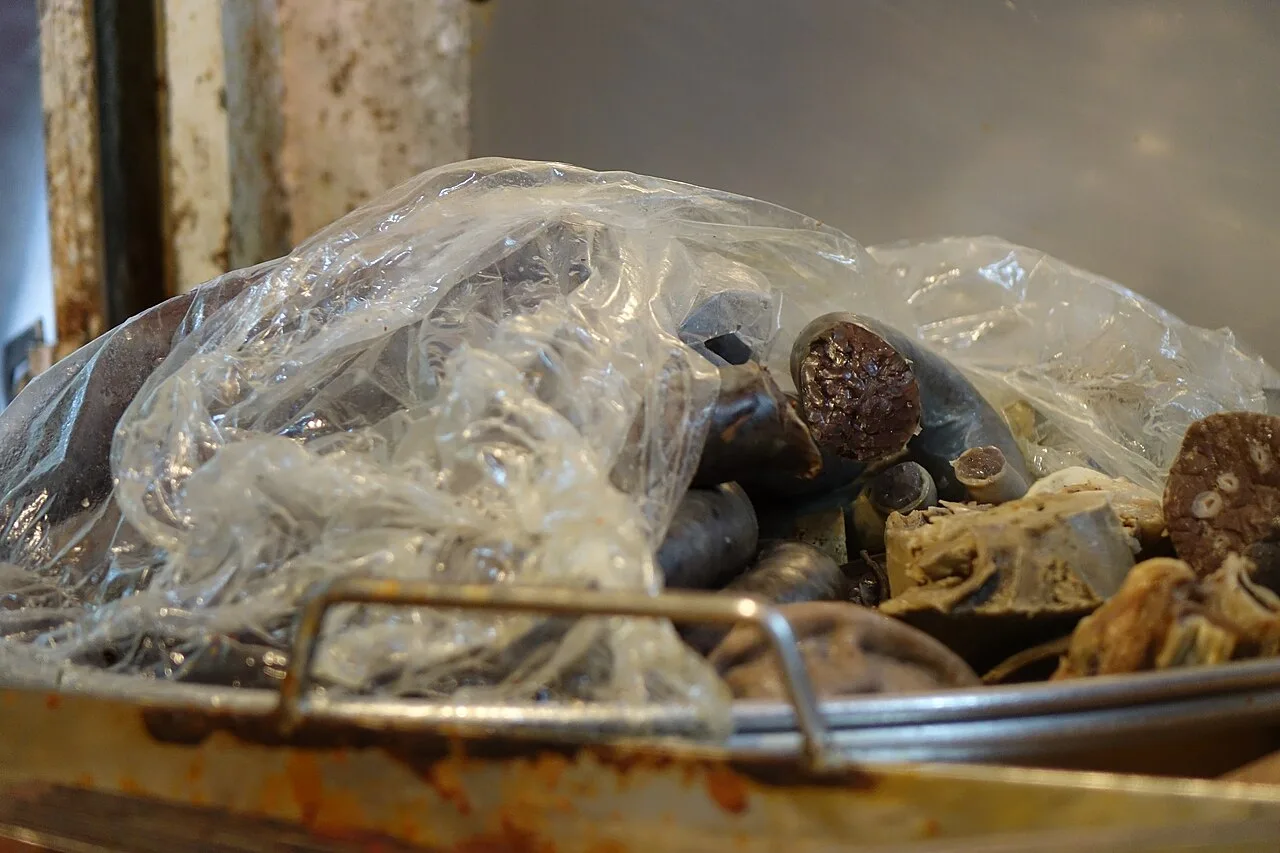
| Sundae · market link Snack or soup add | Steamed slice easier than huge pot | 순대 vs 순대국밥 photo | Blood filling ask 피 들어가요? |
| Gimbap · bag-friendly Walking | One hand free for fabric rolls | 김밥 | Mild roll; not hotteok sweet |
| Samgyetang · solo pot Seated recovery | One small chicken common | 삼계탕 하나 | Self-salt pale broth |
| Dakhanmari · large scallion pot Shared pot | Large pot; not samgyetang size | 닭한마리 photo size | Scallion heap normal |
| Kimchi jjigae · red pot Seated solo candidate | Small pot photo only | 김치찌개 1인 | Ripe kimchi heat fixed in broth |
Serving examples (reference photos)
These dish photos are licensed reference images from the food guides. They are not tied to a specific block unless the caption says so.
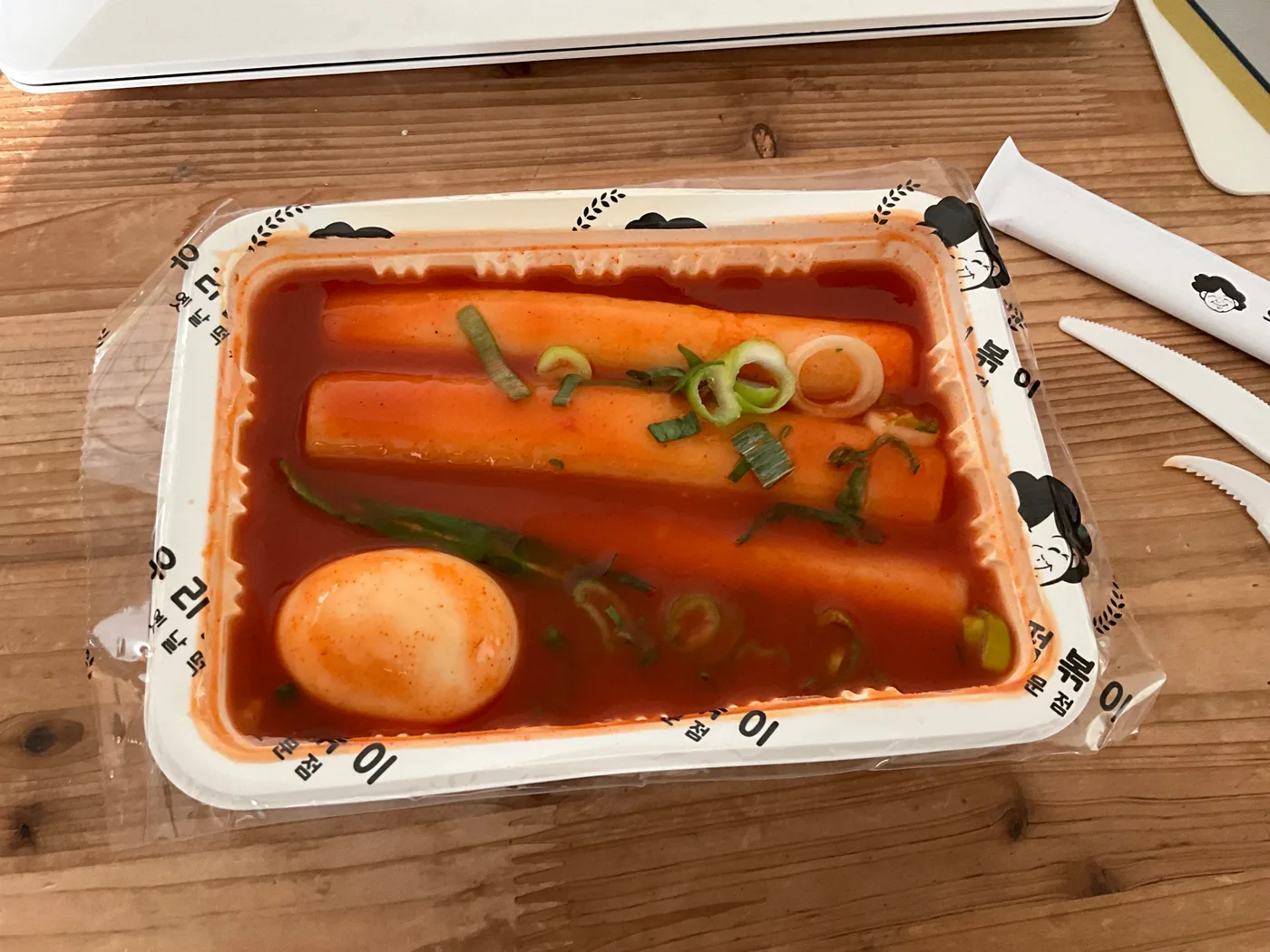
Kimseoeun2023079825 · CC0 1.0 · Source · Resized; converted to WebP; metadata removed; no crop
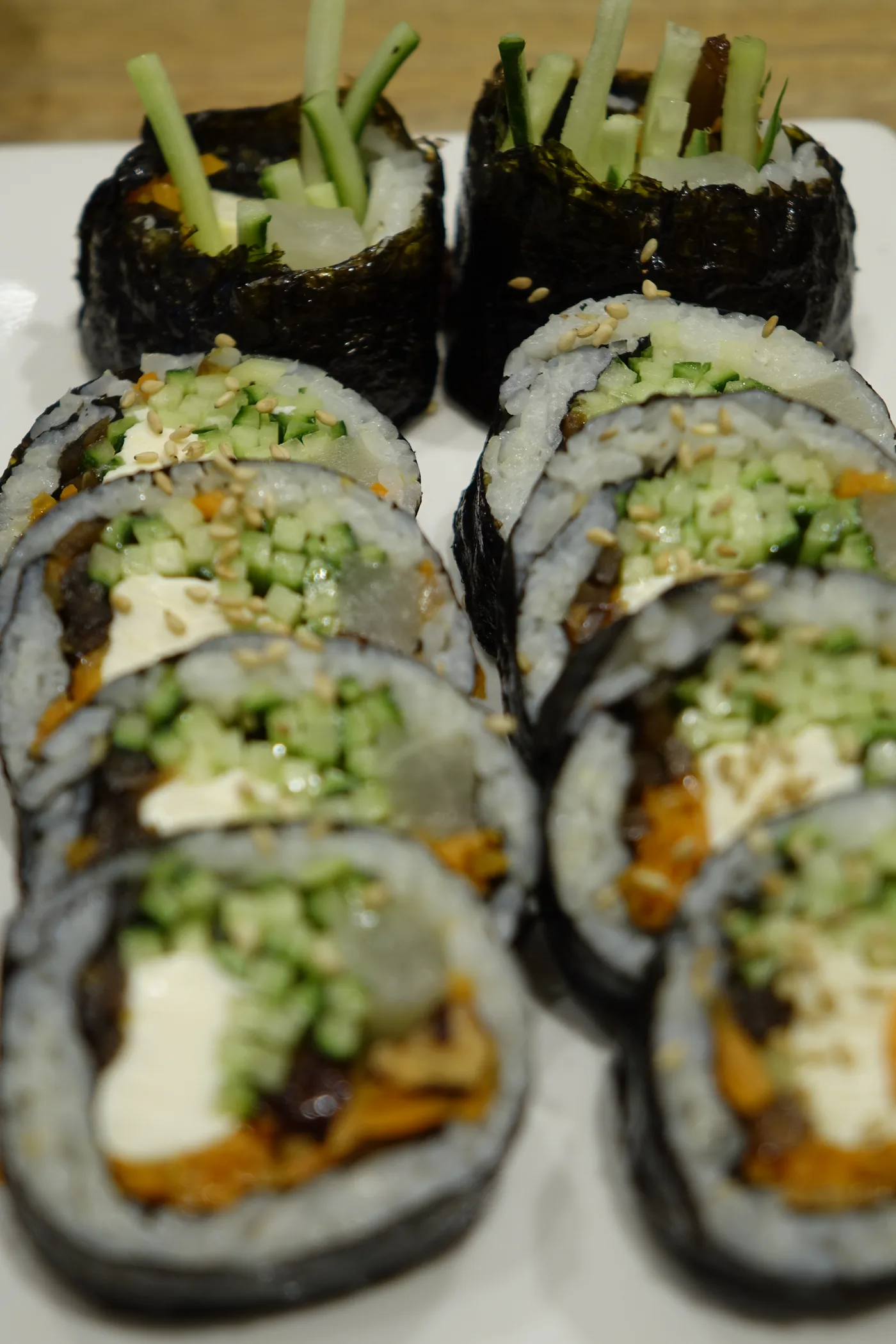
최광모 · CC0 1.0 · Source · Resized; converted to WebP; metadata removed; no crop
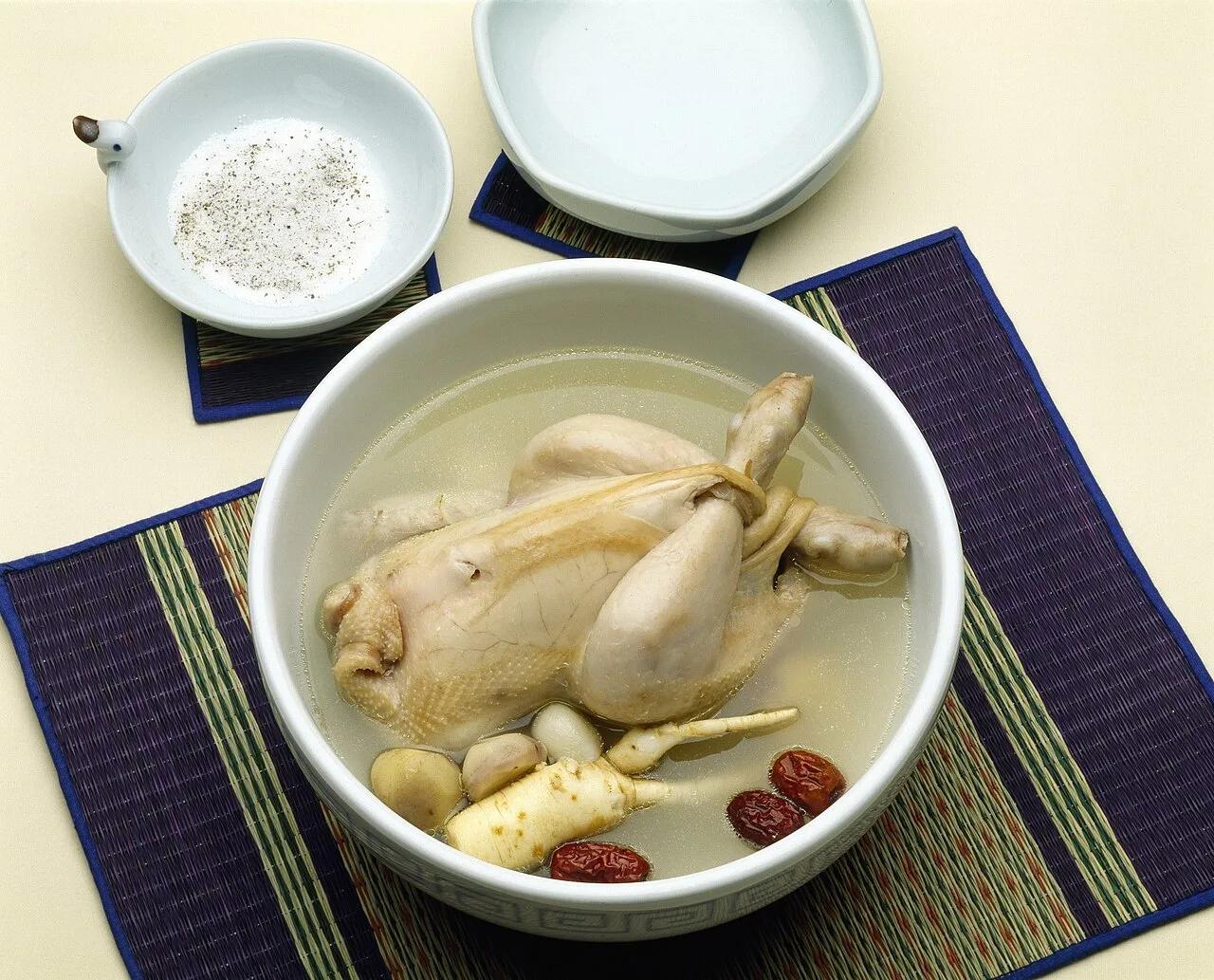
wizdata · CC0 · Source · Resized; converted to WebP; metadata removed; no crop
최광모 (Choe Kwangmo) · CC0 1.0 · Source · Resized; converted to WebP; metadata removed; no crop
Where to look for meals
DDP / History & Culture Park rim
Cups, gimbap, light bunsik
Food between exhibition and market halls
Different station exits than classic DD market
Lines 2, 4, 5 at DDP station
Classic Dongdaemun market blocks
Tteokbokki, sundae, late jjigae
Wholesale shopper fuel
Night energy; shop hours vary
Lines 1 and 4 Dongdaemun Station
Jongno-adjacent alley pots
Dakhanmari, kalguksu finish
Heritage chicken pot context in sources
Sit when legs are tired from stairs
Article ties market alley to chicken pot
Published price examples
These are published menu examples from named sources—not a neighborhood average. Confirm today’s menu and portions before ordering.
Seolleongtang is Dongdaemun-gu Okcheonok; dakhanmari cites Jongno market-alley heritage context; tteokbokki is a 2023 Jongno article row. No festival or Restaurant Week-only lines.
Seolleongtang (Ox Bone Soup) — 옥천옥 (Okcheonok)
설렁탕 (보)
₩8,000
- Order unit
- One seolleongtang order
- Minimum
- Not confirmed in source
- Included / extra
- Rice, sides and extras not explicitly itemized; confirm before ordering
- Area in source
- Seoul, Dongdaemun-gu
- Source date
- 2019-06
- Checked
Published example; confirm price and conditions before ordering.
Original sourceDak-han-mari (Whole Chicken Hot Pot) — 진옥화할매원조닭한마리 (Jinokhwa Halmae Wonjo Dakhanmari)
닭한마리
₩20,000
- Order unit
- One whole-chicken pot order
- Minimum
- Not confirmed in source
- Included / extra
- Dongdaemun market alley context; includes kalguksu finish per article
- Area in source
- Seoul, Jongno-gu
- Source date
- 2019-10
- Checked
Published example; confirm price and conditions before ordering.
Original sourceTteokbokki (Spicy Rice Cakes) — Ganggane Tteokbokki / 강가네떡볶이
Radish Tteokbokki
₩5,000
- Order unit
- Menu order; weight unknown
- Minimum
- Not confirmed in source
- Included / extra
- Rice, sides and extras not individually confirmed
- Area in source
- Seoul, Jongno-gu
- Source date
- Written November 2023
- Checked
Historical November 2023 example; not a current price quote.
Original source
Sample food day
- Morning wholesale
Gimbap before fabric rolls get heavier
Sauce away from textiles
- Midday gap
Tteokbokki cup while queueing for stairs
Cannot make mild after serving
- Afternoon sit
Samgyetang when you need a chair and salt control
Do not point at dakhanmari photo expecting same size
- Late market
Sundae or kimchi jjigae if still shopping
Red sides and stews need bags parked
- Group finish
Bossam or jokbal when buyers eat together
Separate pages for trotter vs wrap
On-the-ground tips
Bag floor space
Wholesale rolls need floor space. Confirm seat room before ordering a hot pot.
Chicken pot size
삼계탕 is small ginseng bird; 닭한마리 is large scallion pot. Size photo decides.
Stall language
Point-photo ordering works when Korean lines are dense with fabric terms.
Market red
Tteokbokki, sundae dip, and kimchi jjigae stack chili different ways—skip all three if heat-sensitive.
Cash pockets
Keep cash for cups; seated pots may card. Wholesale and meal payments stay separate.
Sources for this area page
- K-Foods in K-Dramas · Korea Tourism Organization
Checked: - Busan gukbap and sundae · Korea Tourism Organization
Checked: - Goryeo Yakseon Samgyetang · Korea Tourism Organization
Checked: - Jinokhwa Halmae dakhanmari · Korea Tourism Organization
Checked:
What this area feels like
Cups and skewers sit in the gaps between buildings. Streets off the sales floors have pots that use chicken, and seats for wrapping boiled meat. A designed building can house something other than a meal. With a lot of bags, check at the door whether they fit beside the seat.
A first pick for visitors
With a lot of bags, choose gimbap first, or samgyetang you sit down to eat. A red cup is tteokbokki, so plan on the heat. When someone is eating with you, bossam. A large 닭한마리 pot is a different order from a snack for one.
Ways of eating you will meet here
While you are still moving, look at tteokbokki, sundae, and gimbap. For one pot in a seat, samgyetang. For several people wrapping meat, bossam. Kimchi stew is a candidate for finishing a red pot alone, and a red pot is the spicy side. 닭한마리, common in photos, is a different pot from samgyetang. The split is on the 닭한마리 page.
When you eat alone
Gimbap, a snack in a cup, and samgyetang, often one pot per person, are easier shapes to finish alone. 닭한마리, bossam, and pig's trotters tend toward a large plate. Market shops follow different rules for solo diners. Room for a bag at your feet and a single portion on the menu are separate checks.
How to narrow the choice here
Dongdaemun Station and Dongdaemun History and Culture Park Station are on different sides of the market. Keep them as separate stations. Eating inside a sales floor and sitting at a seat outside change whether a pot is available. Opening hours are left off this page. A closed shop comes off that day's list.
When you prefer less heat
Treat tteokbokki and kimchi stew as spicy. Sundae casings and fillings differ by shop, and the red sauce beside it is spicy. Samgyetang broth is a different pot from a red chili stew, and salt is the usual addition. Bossam meat itself is built around the pork, and the kimchi and ssamjang in the wrap add the heat.
Ordering in the restaurant
For a snack, pointing at the photo and saying 이거 주세요 is often enough. For a pot, point separately at the smaller chicken with ginseng and at the red pot of tofu and kimchi. A large 닭한마리 pot is the wrong photo when you want samgyetang. In the photos, 삼계탕 is ginseng and a smaller chicken, and 닭한마리 is green onion and a larger pot.
Paying without surprises
Market cups mix cash-only shops with shops that take a simple card. A pot with seats often has a terminal. Paying a wholesaler and paying for a meal are separate. Shops across Dongdaemun differ.
Getting around, roughly
Dongdaemun Station is on Lines 1 and 4. Dongdaemun History and Culture Park Station is on Lines 2, 4, and 5. Walking time between the two changes with your bags, so no minutes are given. The History and Culture Park building marks the spot. The meal is not necessarily centered inside it.
Dishes tied to this place
- Tteokbokki떡볶이A red snack passed between sales floors. A sweet first taste still leaves heat behind it. It is a different meal from a pot you sit down for.
- Sundae순대Glass noodles or vegetables stuffed into intestine. Blood and the casing differ by shop. Treat the red sauce served with it as spicy.
- Gimbap김밥An easy piece while you are holding bags. It fits a move between market buildings, and it does not replace a pot.
- Ginseng chicken soup삼계탕Soup of a smaller chicken with glutinous rice and ginseng. One pot per person is a common shape. The large 닭한마리 pot is a different dish.
- Bossam보쌈Boiled pork wrapped in leaves, for a table with more than one person. It can be listed beside pig's trotters (족발) and remain a different dish.
- Kimchi stew김치찌개A red pot of ripe kimchi. Treat it as a solo candidate only when the pot in the photo is small. Plan on the heat.
- Large chicken pot닭한마리Chicken boiled with green onion in a larger pot and shared by the table. It is a different service from samgyetang's smaller pot per person. The size is in that shop's photo.
- Pig's trotters족발Pig's trotters, cooked until soft, sometimes listed beside bossam. Leaf-wrapped bossam is a different dish. Items on the same menu can still be different plates.
FAQ
Is food in Dongdaemun only available at night?
Snacks and pots are around in the daytime as well. Some shops stay open later than an office district, and the closing time still differs by shop. This page leaves opening hours off. A closed shop comes off that day's list.
Are ginseng chicken soup and 닭한마리 the same pot?
They are different. Ginseng chicken soup is ginseng and a smaller chicken, often one pot per person. 닭한마리 is green onion and a larger pot, often shared. Read the size in the photo, and use the 닭한마리 page for the finer order.
Do bossam and pig's trotters share one page?
They have separate pages. 족발 is the trotter, and bossam is boiled meat wrapped in a leaf. They can appear on one menu. Keep the bossam description separate from a photo of the trotters.
Can you eat inside the sales floors without sitting down?
Gimbap and snacks in a cup can be eaten while you walk. Ginseng chicken soup and kimchi stew come in hot vessels, so they belong in a shop with a seat. Keep bags away from the sauce.
Is this the same choice as a Myeongdong stall?
Light food is what you see first in both places, and the situation differs. Dongdaemun is a meal after moving through a clothing market, so look first at how much you are carrying and at whether the pot is large or for one person. The cosmetics-street short list is a different list.
What should you skip if you dislike spicy food?
Skip the red cup of tteokbokki, kimchi stew, and the red sauce with sundae. Samgyetang broth is often a different pot from a red one. With bossam, the heat is in the kimchi and ssamjang you wrap, more than in the meat.
Is market food only at night?
Snacks run daytime too; some pots stay open late. Hours vary—closed shop drops off today’s list.
Same as Myeongdong cups?
Both show red snacks, but Dongdaemun assumes textile bags and floor changes—plan seated pots earlier.
Samgyetang vs dakhanmari?
Different pot sizes and garnishes. Read photo before imitating a neighbor’s order.
Can sundae be mild?
Steamed slices can be plain; cups with red sauce are not. Ask before mixing into tteokbokki.
Which station for food?
Dongdaemun and DDP stations land on different market faces—pick menu near your exit.