Korean Street Food
Street food here means a cup, skewer, or bag handed over at a stall, market window, or door-side griddle. The same snacks can also appear indoors. This page walks through the first purchase, how to pick among five dishes that already have detail pages, and short Korean for common situations. Some dish pages offer sourced, dated price examples, not live prices or endorsements. For this purchase, use the current price board and opening notice at the window.
What to do
Decide whether this is a snack or your meal
A hotteok or a few pastries can be a stop between meals. If you want lunch, identify a filling item such as a gimbap roll or a clearly sized savory portion first. Ask about somewhere to eat before buying food that needs a tray or bowl.
Read the unit and filling
개 means pieces, 줄 means rolls, 인분 means portions, and 세트 means a combination whose contents need checking. A photo of several pieces need not show the quantity sold at the displayed price. Ask whether different fillings have different prices.
Confirm the total and payment method
Point to the item and state the quantity, then ask for the total. Check card acceptance before food is prepared; neither cards nor cash-only service is a universal market rule. If buying from several sellers, treat each as a separate order and payment.
Choose packaging and eat without a long warm delay
Say whether you want takeaway or to eat there. Let hot fillings cool and keep hot sauce away from hands and luggage. Wash hands before eating; arrange prompt refrigeration for perishable takeaway such as gimbap instead of carrying it through a long sightseeing day.
Five options to compare at the counter; units and seats still need checking
| Food / role | Ask about the order | Decision before buying |
|---|---|---|
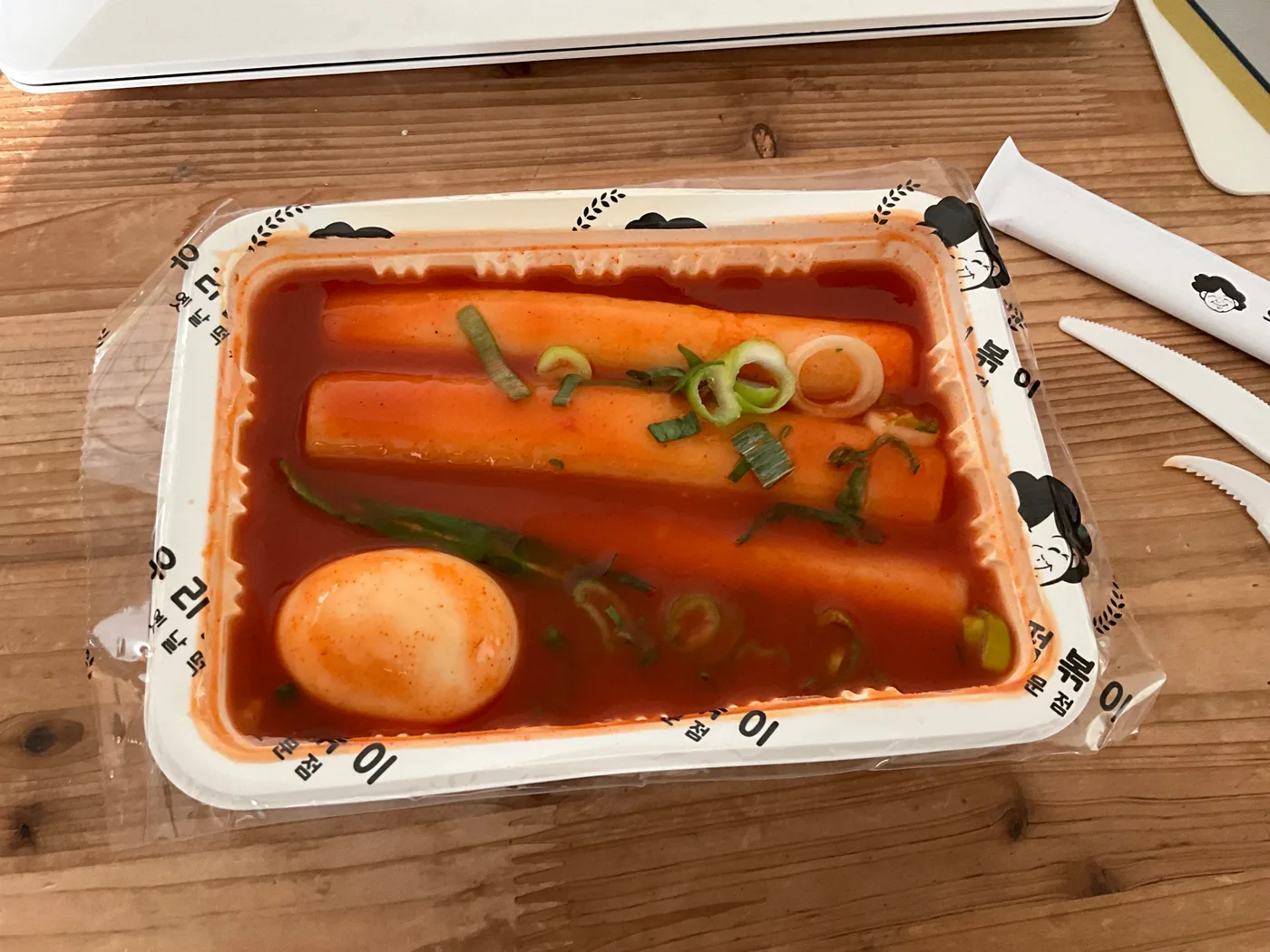
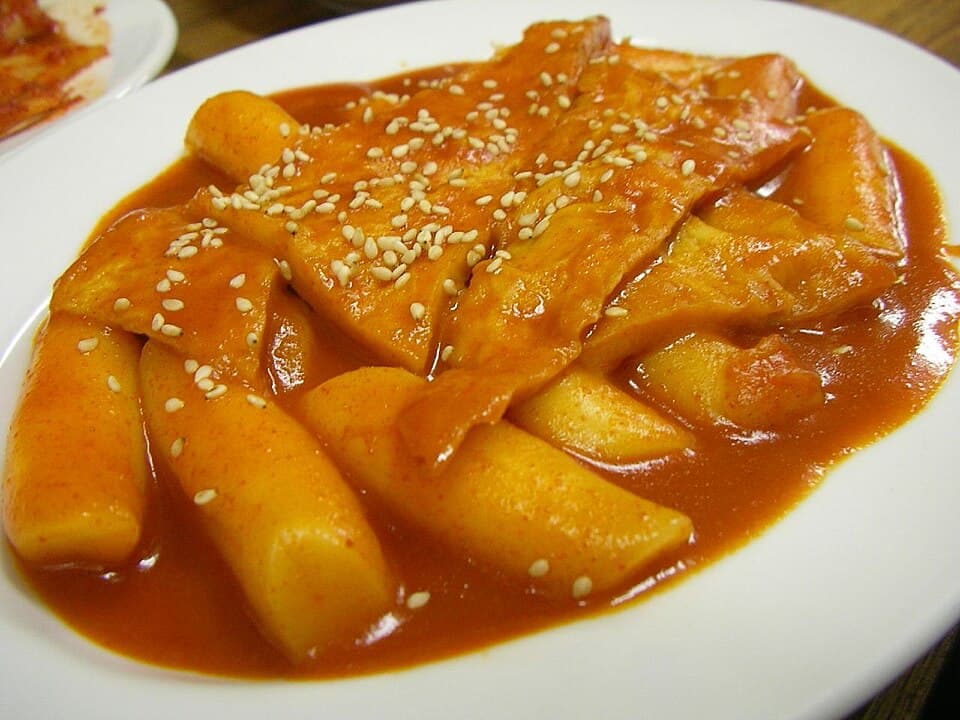
| Tteokbokki / savory snack or larger portion | Cup, portion or set; what additions are included? | A shared cooked spicy sauce may not be adjustable |
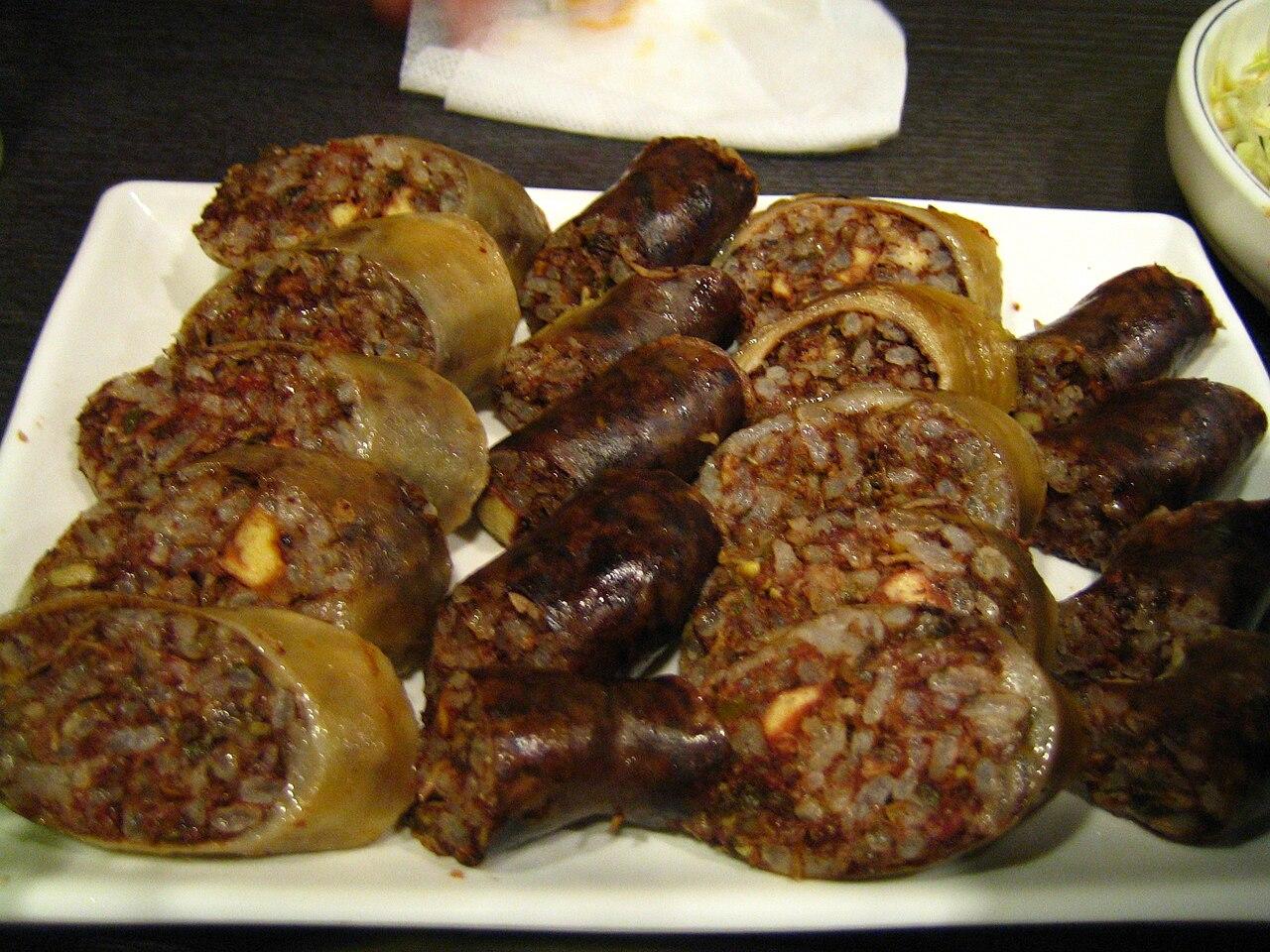
| Sundae / savory plate | Small plate or portion; are offal pieces included? | A sliced snack plate is different from a full soup-rice meal |
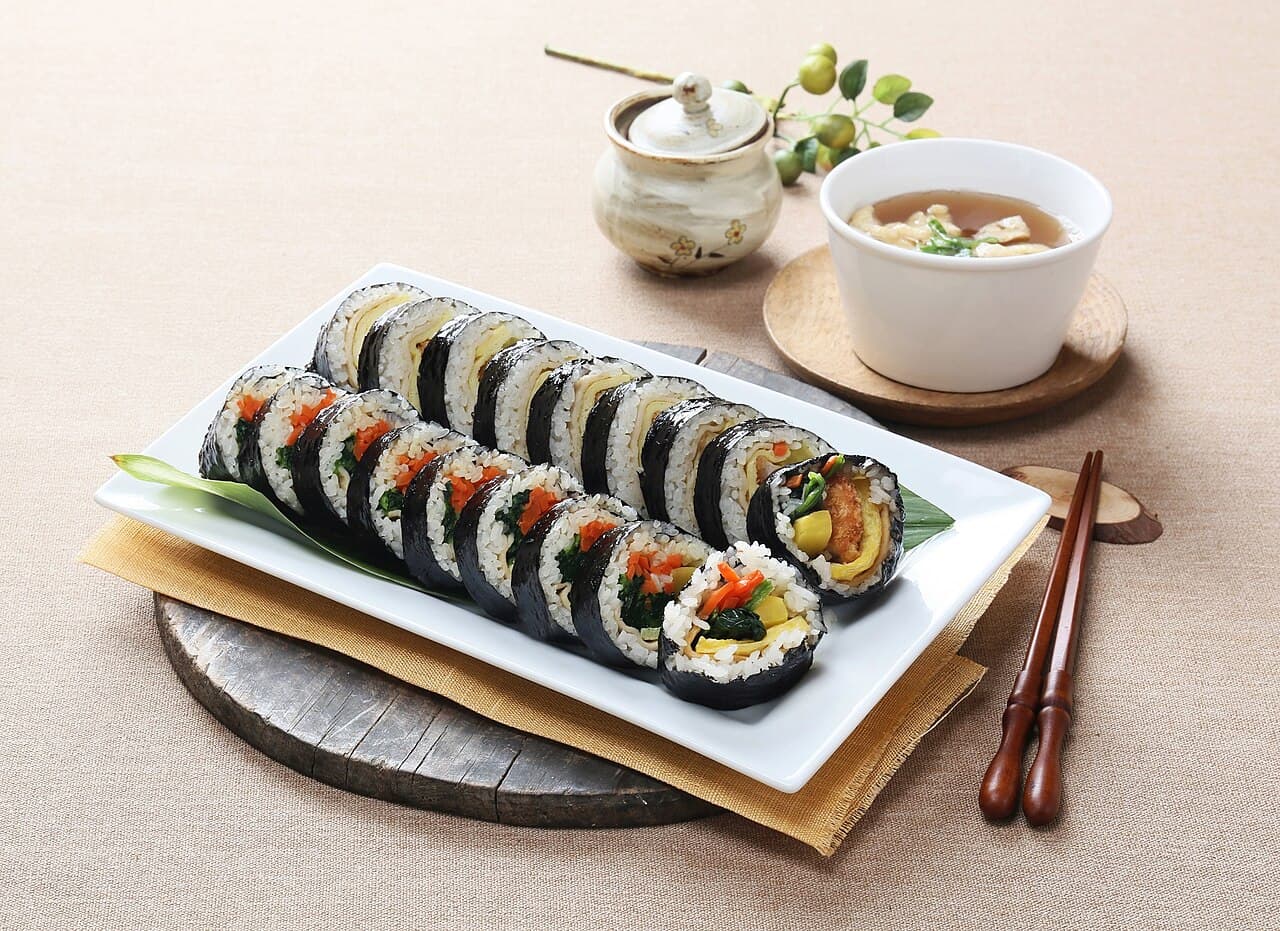
| Gimbap / portable rice option | One roll or a bundle; which filling? | Confirm when you will eat it and how to keep it cool |
| Hotteok / sweet snack | One piece or a priced bundle; what filling? | Filling can be very hot; check nuts and seeds if relevant |
| Bungeoppang / sweet pastry snack | How many pieces for this price; can fillings be mixed? | A bundle price is not automatically a per-piece price; availability varies |
Korean for this situation
- 이 가격은 몇 개예요?How many pieces does this price cover?
When to use it: Clarify a pastry or other piece-based bundle.
Check first: For gimbap rolls, point to the roll; for a plate, confirm the portion instead.
- 김밥 한 줄 주세요.One roll of gimbap, please.
When to use it: Specify a roll rather than an ambiguous one item.
Check first: Name the filling too if several kinds are displayed.
- 전부 얼마예요?How much is everything?
When to use it: Check the total for your items at this seller.
Check first: It does not combine bills from different stalls.
- 카드로 결제할 수 있나요?Can I pay by card?
When to use it: Check before the seller prepares your order.
Check first: A yes does not guarantee that every foreign-issued card will work.
- 포장해 주세요.Please pack it to take away.
When to use it: Tell the seller before the food is put on a reusable plate.
Check first: Packaging does not make perishable food safe to keep unrefrigerated all day.
Situations and responses
Two people want to taste several stalls
You want tteokbokki, a gimbap roll and a sweet snack without accidentally ordering several full sets.
At each counter, ask for the smallest available unit and its total, check whether sharing or seating is possible, and buy the next item after seeing the first portion. Do not assume that seats at one seller are for food bought elsewhere.
A sign shows several pastries beside one price
You cannot tell whether the number buys one pastry or the whole group.
Ask how many pieces that price covers, then state the quantity and chosen fillings. Confirm the final amount before paying. The existing examples illustrate why a named order and a two-roll order should not be compared as if they were the same unit.
A warm gimbap bag is meant for much later
Your next stop is a long sightseeing visit with no reliable refrigeration.
Buy a portion to eat promptly, or choose an option with a storage plan and follow its instructions. A sealed bag, a busy queue or the absence of an unusual smell is not proof that prolonged warm storage is safe.
Food examples
These photographs illustrate food or serving formats. They do not establish ingredients, allergy safety, local availability or a shop's current portion.
ayustety · CC BY-SA 2.0 · Source · Resized
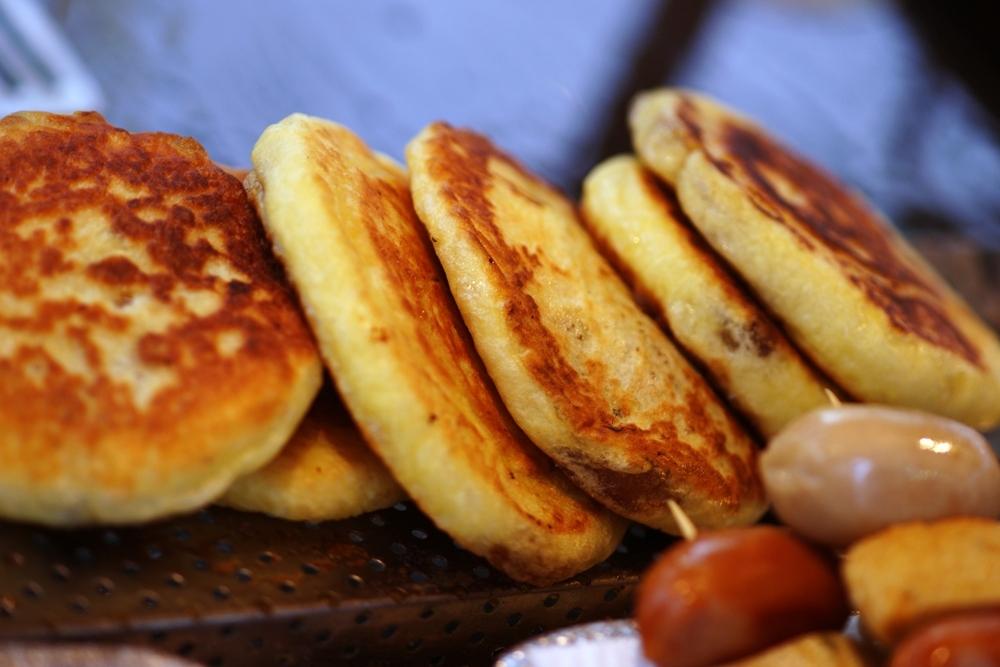
Korea.net / Korean Culture and Information Service · CC BY-SA 2.0 · Source
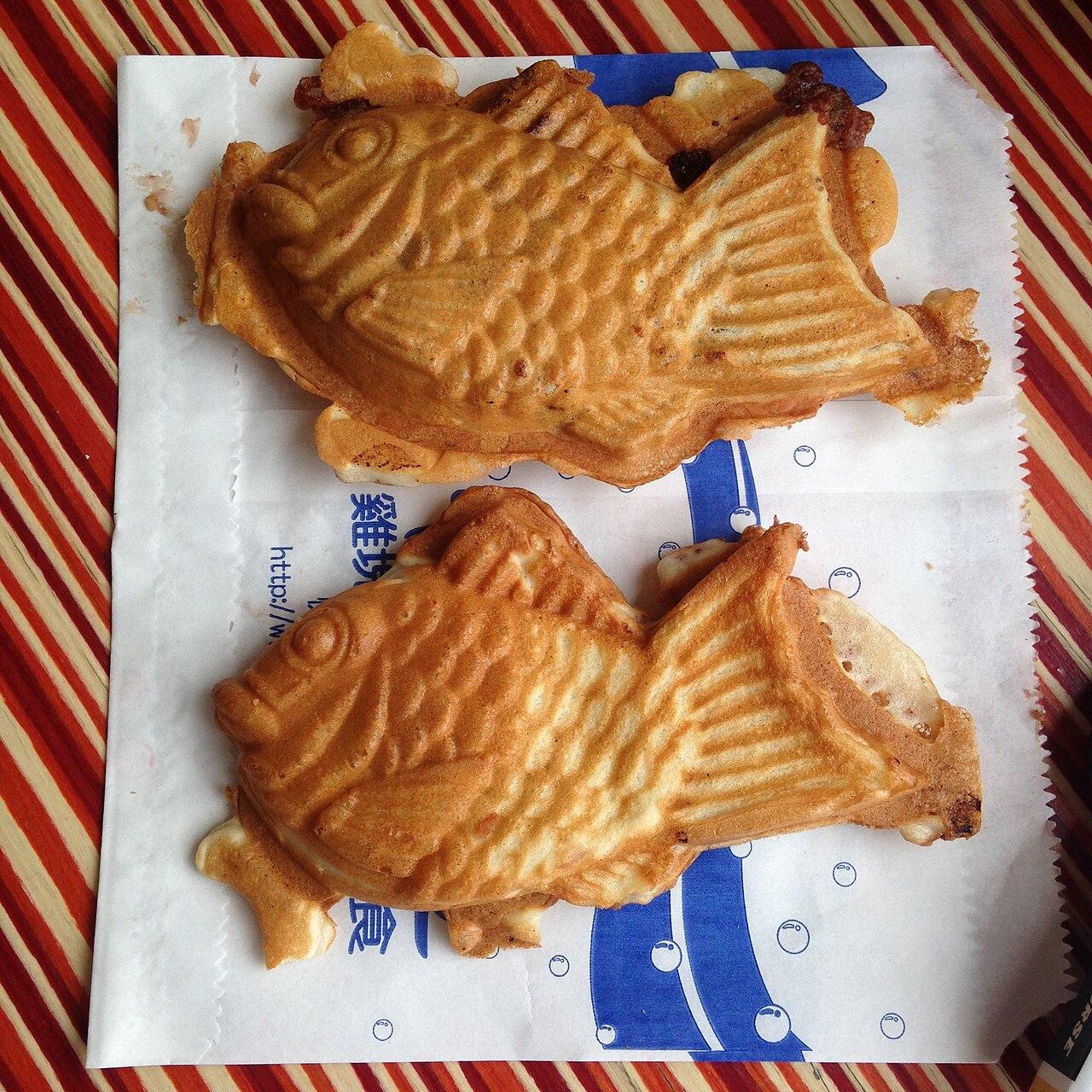
Penny Richards · CC BY-SA 4.0 · Source · Resized
Published menu examples
Individual source examples, not a current quote or nationwide average. Check the source date, unit, minimum order and extras; a posted price does not establish today's opening hours.
Goryeo Bunsik / 고려분식
Gimbap (Korean Rice Rolls)
Gimbap
₩5,000
- Order unit
- Two rolls
- Minimum
- Not confirmed in source
- Included / extra
- Rice, sides and extras not individually confirmed
- Source location
- Sangju, Gyeongsangbuk-do
- Source date
- Written November 2023
- Checked
Historical November 2023 example; not a current price quote.
Original sourceGanggane Tteokbokki / 강가네떡볶이
Tteokbokki (Spicy Rice Cakes)
Radish Tteokbokki
₩5,000
- Order unit
- Menu order; weight unknown
- Minimum
- Not confirmed in source
- Included / extra
- Rice, sides and extras not individually confirmed
- Source location
- Seoul, Jongno-gu
- Source date
- Written November 2023
- Checked
Historical November 2023 example; not a current price quote.
Original sourceKokkiri Bunsik / 코끼리분식
Tteokbokki (Spicy Rice Cakes)
Darinpyo Tteokbokki
₩4,000
- Order unit
- Menu order; weight unknown
- Minimum
- Not confirmed in source
- Included / extra
- Rice, sides and extras not individually confirmed
- Source location
- Sokcho, Gangwon
- Source date
- Written November 2023
- Checked
Historical November 2023 example; not a current price quote.
Original source
Before you order
- Identify pieces, rolls, portions, bundles or sets on the price sign.
- Ask what the set includes before adding another item.
- Check the filling and relevant ingredient restrictions before preparation.
- Confirm the total and card acceptance with each seller.
- Ask where you may eat and whether packaging is needed.
- Keep hot fillings away from skin and plan prompt eating or refrigeration for perishables.
Questions travelers ask
Can street food replace a full meal?
It can, depending on what and how much you buy. Start with a clearly sized savory option if you need lunch; a sweet pastry stop and a full rice meal are different purchases.
Do I always need cash?
Payment methods differ by seller. Ask before preparation and have an alternative if your card is not accepted or does not work.
Are hotteok and bungeoppang available every morning?
No availability or morning opening is guaranteed. Stall schedules, weather, location and seasonal operation can change; use a confirmed open alternative when timing matters.
Why are only some foods shown in the price examples?
This guide uses existing named-business examples and excludes festival and Restaurant Week offers. The examples below come from a November 2023 tourism article, so they are historical references, not current stall prices. Ask today's seller for its own unit and total.
Does a popular stall guarantee hygiene or allergy safety?
No. A queue, photograph or food name cannot verify handling or ingredients. Ask before ordering about ingredients and shared preparation, and follow safe handling advice for food you take away.
Continue with a specific dish or area
References
- K-Foods in K-Dramas · Korea Tourism Organization
Checked: 2026-11-24 - 4 Steps to Food Safety · FoodSafety.gov
Checked: 2026-11-24
More dish notes and earlier phrase examples
First purchase, step by step
Most windows work the same way even when the snack changes. Payment often happens when the food is handed over, not after a long sit. Cash-only and card windows both exist; a foreign card can fail on a small reader, so keep a second way to pay a small amount.
- Read the price board or the tag on the tray before you point.
- Point at the item, say how many, and wait for it to be packed or poured.
- Pay when they hand it over unless they clearly seat you first.
- Say 포장해 주세요 if you want it bagged to walk with; some cups are already for takeaway.
- Hold hot bags away from other shopping and from bare skin.
How to choose among the five
Use heat, sweetness, and whether you can finish one piece alone. Detail on ingredients and spice sits on each dish page—keep this list as a quick sort only.
- Tteokbokki (Spicy Rice Cakes)Red cup or dish; expect chili heat. Hard to make mild once the sauce is cooked. Solo-friendly as one serving.
- Sundae (Korean Stuffed Sausage)Sliced sausage-style snack, often beside spicy rice cakes. Contains meat; not a vegetarian pick.
- Gimbap (Korean Rice Rolls)Sesame-oil rice roll, usually mild. Easy alone and easy to walk with. Kimchi-named rolls are a different row.
- Hotteok (Sweet Filled Pancake)Sweet griddled cake. Hot sugar inside; ask about nuts or seeds before you buy.
- Bungeoppang (Fish-shaped Pastry)Fish-shaped pastry mold—no fish inside. Ask which filling (often red bean or custard) before you bite.
Before you eat, and after
Look at how food is kept, whether sauce is handled by many hands, and whether cream or fillings sit out warm. For allergens, ask what is inside before you pay. Use bins when you see them; do not leave cups on store steps. Sit-down meals with side dishes belong on the restaurant etiquette page.
- Ask 매운 거예요? before a red cup if you avoid chili.
- Ask 안에 뭐가 들어 있어요? for filled sweets.
- Let hotteok and bungeoppang cool; the filling burns.
- If the answer about ingredients is unclear, skip that item.
Three traveler situations
Use the Korean lines below with a finger on the food. Flavor details stay on each dish page.
- First tteokbokki: point at the red cup, ask if it is spicy, then say 하나만 주세요.
- Buying hotteok: ask what is inside if you avoid nuts, then take the bag by the edge.
- Checking bungeoppang filling: ask 안에 뭐가 들어 있어요? before you bite; break it open when it is still hot.
Korean to use at the stall
Quantity and takeaway lines also appear on the ordering guide with the same romanization. Softening a cooked red sauce is covered on the non-spicy guide.
Romanization is a guide, not a precise transcription. juseyo and isseoyo match the other guides. mwoyeyo is the “what is it” ending.
- 이거 뭐예요?Readingigeo mwoyeyo?MeaningWhat is this? Point when you cannot read the sign.
- 안에 뭐가 들어 있어요?Readingane mwoga deureo isseoyo?MeaningWhat is inside? Use before biting hotteok or bungeoppang.
- 매운 거예요?Readingmaeun geoyeyo?MeaningIs this spicy? A question only—a finished red pot stays spicy.
- 뜨거워요?Readingtteugeowoyo?MeaningIs this hot? Check temperature, then wait before you bite.
- 하나만 주세요Readinghanaman juseyoMeaningJust one, please. Stops the count from growing.
- 포장해 주세요Readingpojanghae juseyoMeaningPlease make it takeaway. Say it when you order if you will walk.
Flavor and seating are on other pages
More lines for quantity, card payment, and takeaway
Sit-down meals with side dishes